Electromagnetic Field 2026

Versions of Now

See the same moment in time rendered across a collection of display technologies. Some glow, some reflect light, some move, and one speaks. Each clock receives approximately the same "now", then translates it through the habits and limits of its own medium.

Local time --:--:-- Swatch beat @--- 13 clocks and counting

One Moment, Many Surfaces

At first glance it is a wall of clocks. Look longer and the differences become the point: refresh rates, ghosting, glow, noise, mechanical lag, typographic quirks, startup rituals, and the tiny compromises each technology makes while trying to say "now".

The Clocks

01. Dot Matrix Clock

MAX7219 LED drivers 8 x 32 pixels Red LEDs

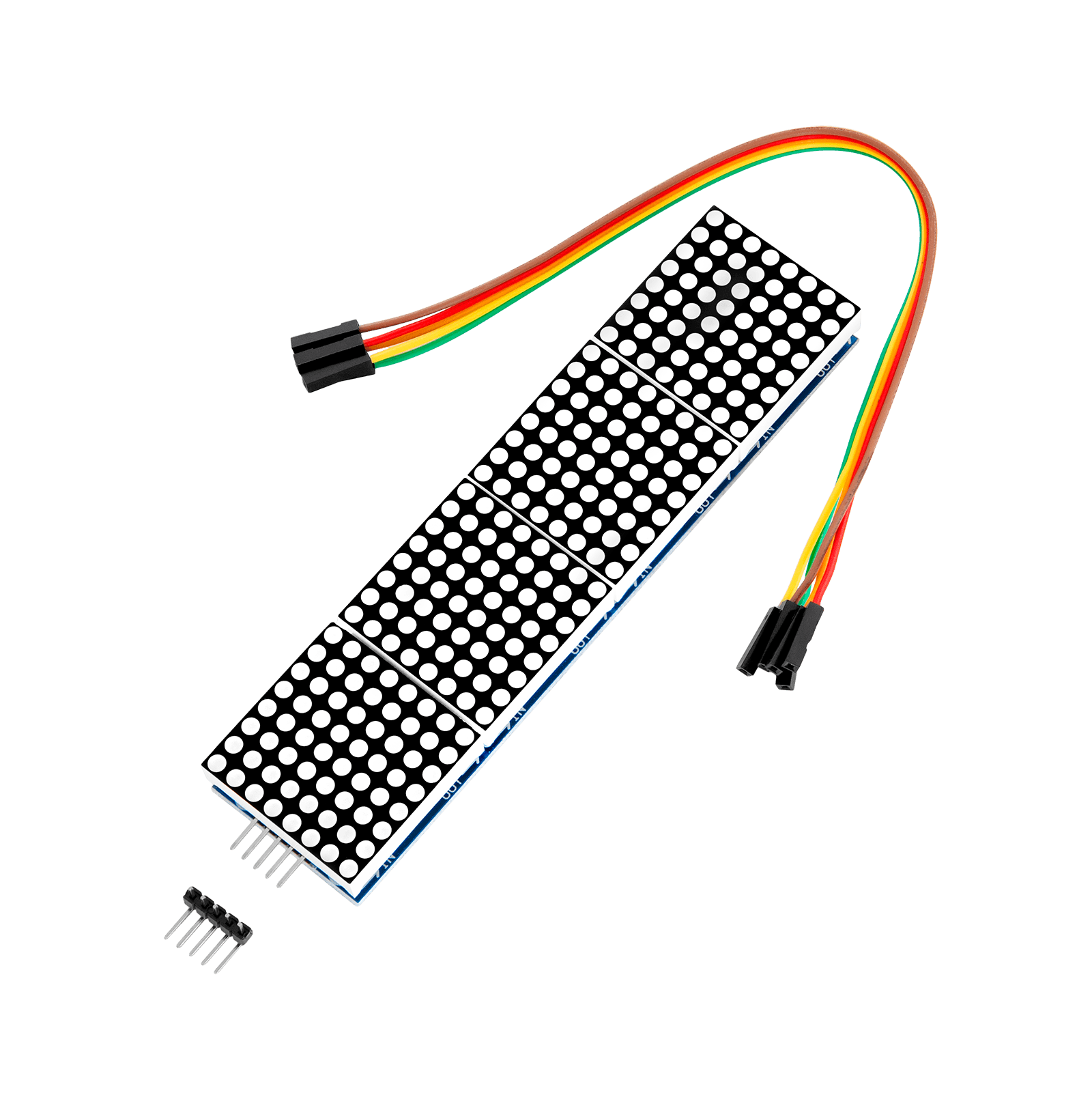
Four small LED matrix modules make a wide, low-resolution clock face. Every lit dot is a discrete red LED, so the personality comes from pixel-level transitions: seconds swap one by one, while minute changes fall through the display like loose beads.

The MAX7219 family can address 64 individual LEDs per chip, which is exactly one 8 x 8 matrix. Four chips make this 256-pixel clock. The same chip can also be used for 7-segment displays.
02. CRT BBC Clock

PAL composite video CRT display ESP32 DAC

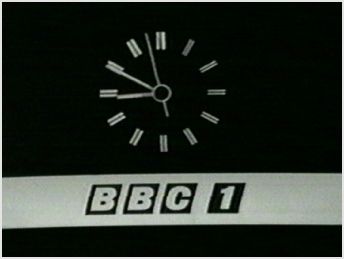
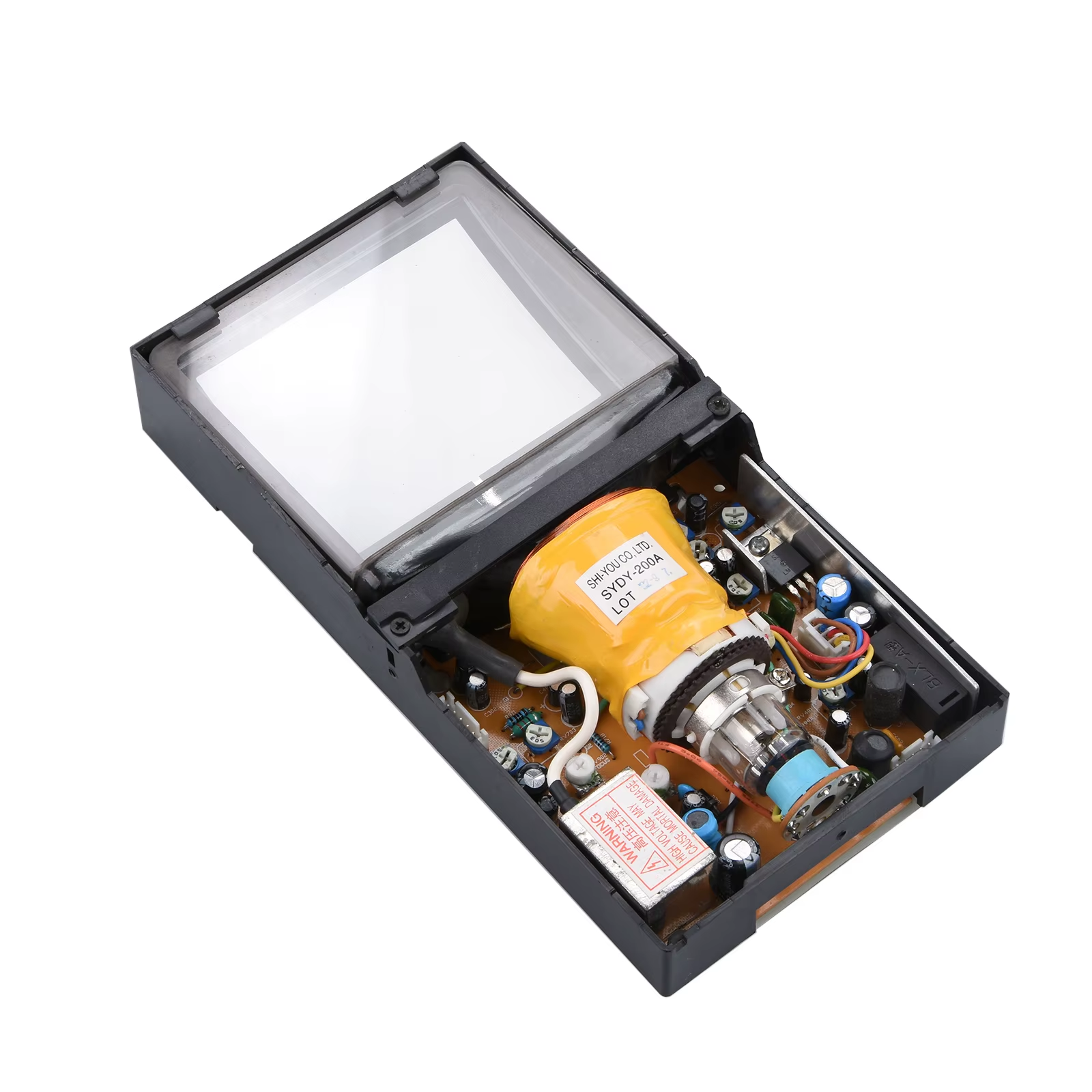
This clock turns an ESP32 into a tiny television signal generator. It produces black and white composite video for a CRT, drawing a BBC-inspired mechanical ident where the time is a moving video frame rather than a grid of addressable pixels.

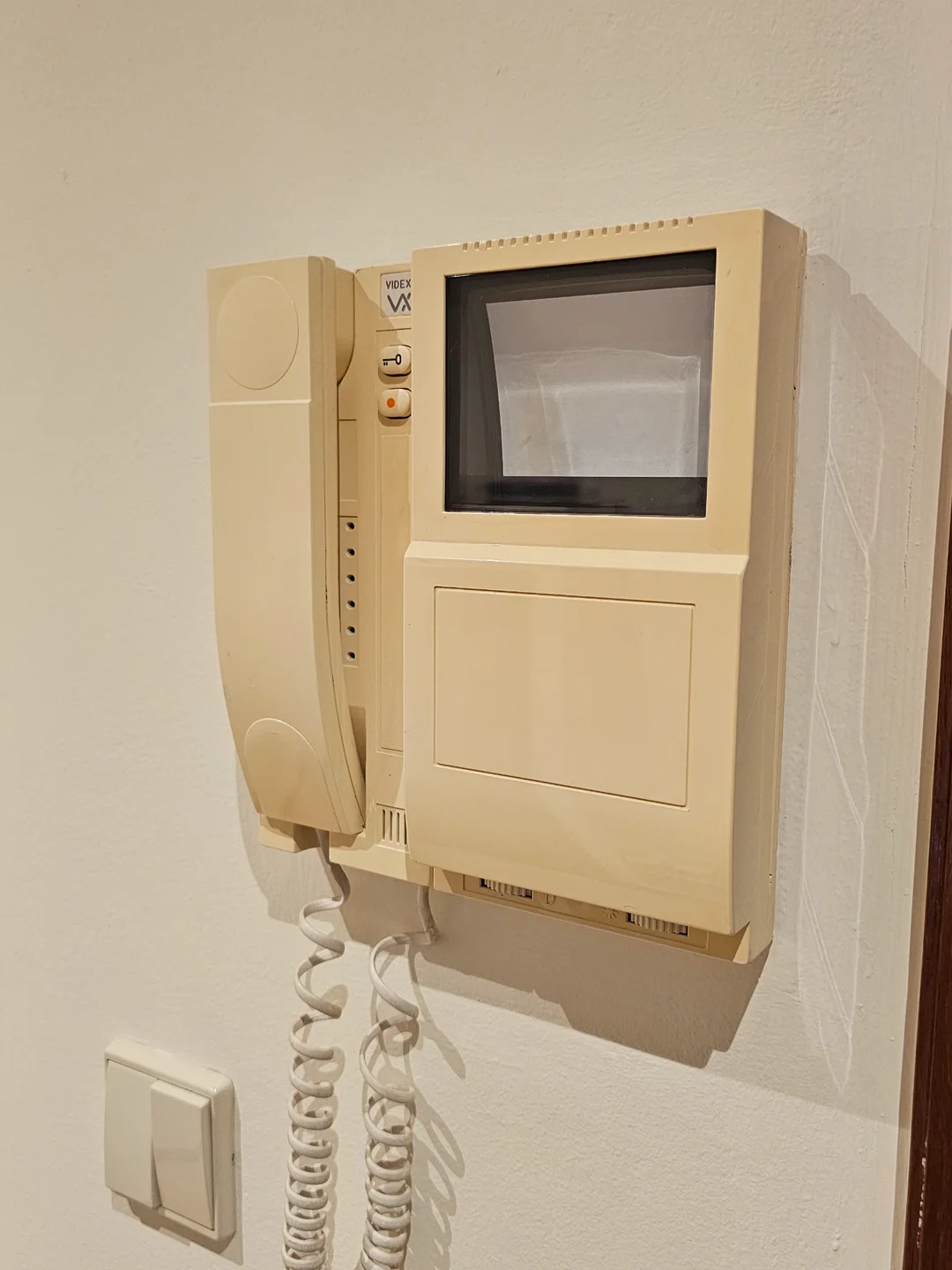
The CRT modules were used in old doorbell video intercoms, before LCDs became cheap enough to replace them. You can still buy them online on AliExpress, even though they're no longer used in new products.

03. OLED Pinball Clock

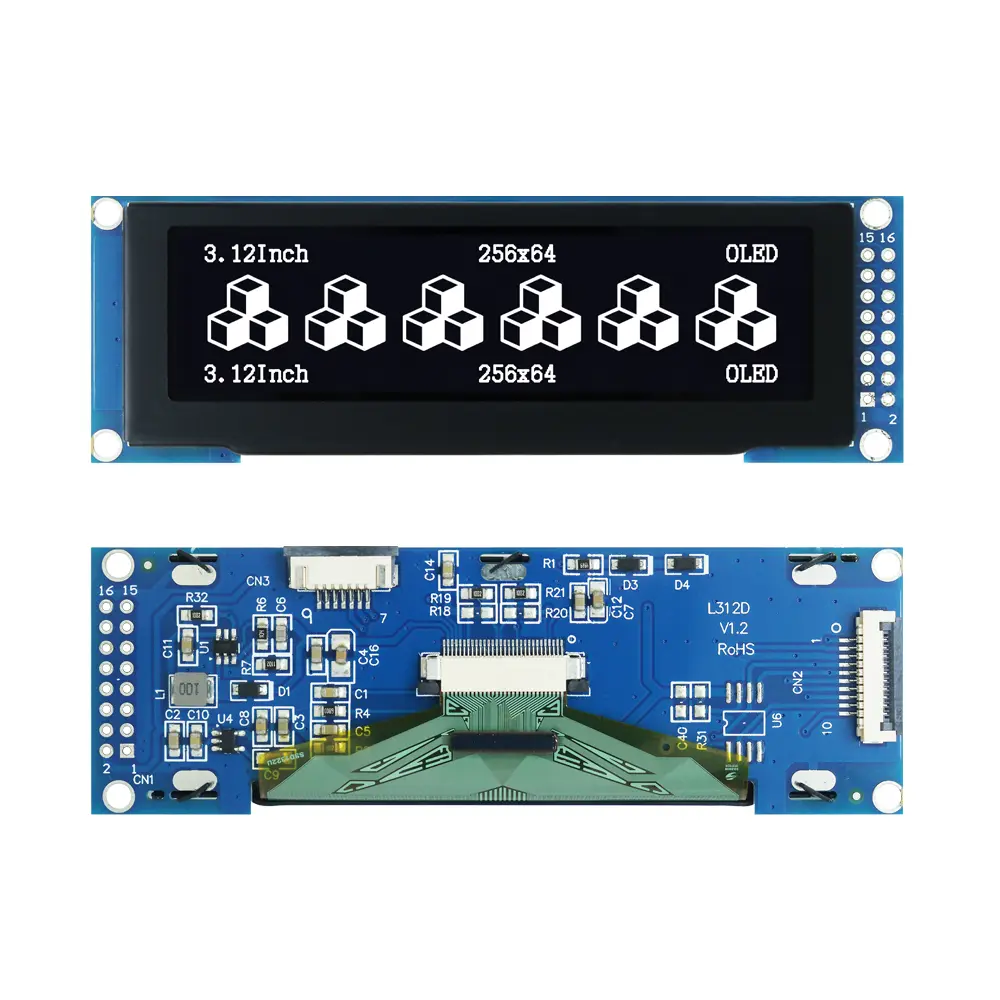
SSD1322 OLED 256 x 64 pixels Pinball motion

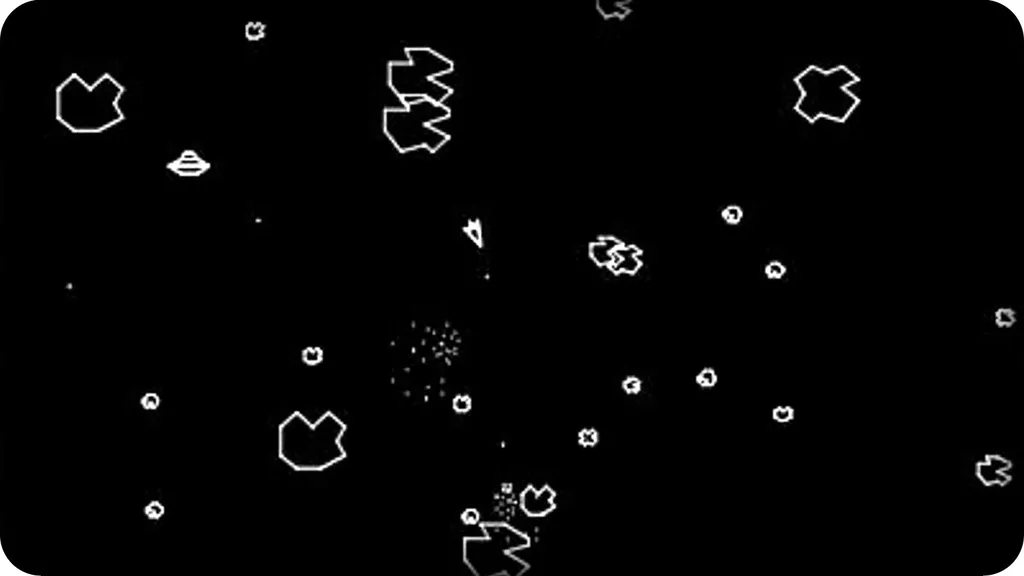
The time behaves like a bright object inside a narrow OLED playfield. It bounces off the edges, nudges floating obstacles, and leaves short fading trails behind it, using the display's grayscale to make motion feel luminous rather than simply on or off. This animation is inspired by the 1979 Asteroids video game.

OLED pixels emit their own light. This is why dark areas can be truly dark, and why tiny trails can glow without a backlight washing over the whole panel.

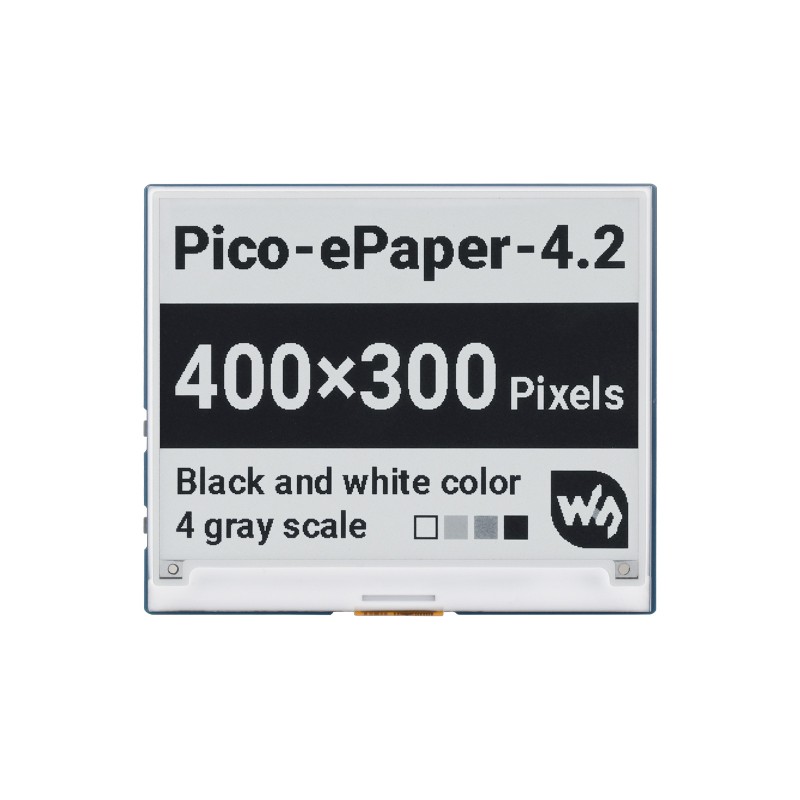
04. ePaper Clock

Waveshare 4.2 inch ePaper display 400 x 300 pixels RPi Pico W

This reflective display treats time like handwriting on paper. Seconds update in a constrained area, while minute changes trigger a fuller refresh and a new handwriting face. It is slower than glowing displays, but it has the calmness of ink.

e-paper is bistable, so an image can remain visible without continuously powering every pixel. The tradeoff is that refreshes can be slow and sometimes leave faint ghosts, but modern e-paper modules have improved to the point where they can partially refresh areas fast enough to count seconds in a clock.

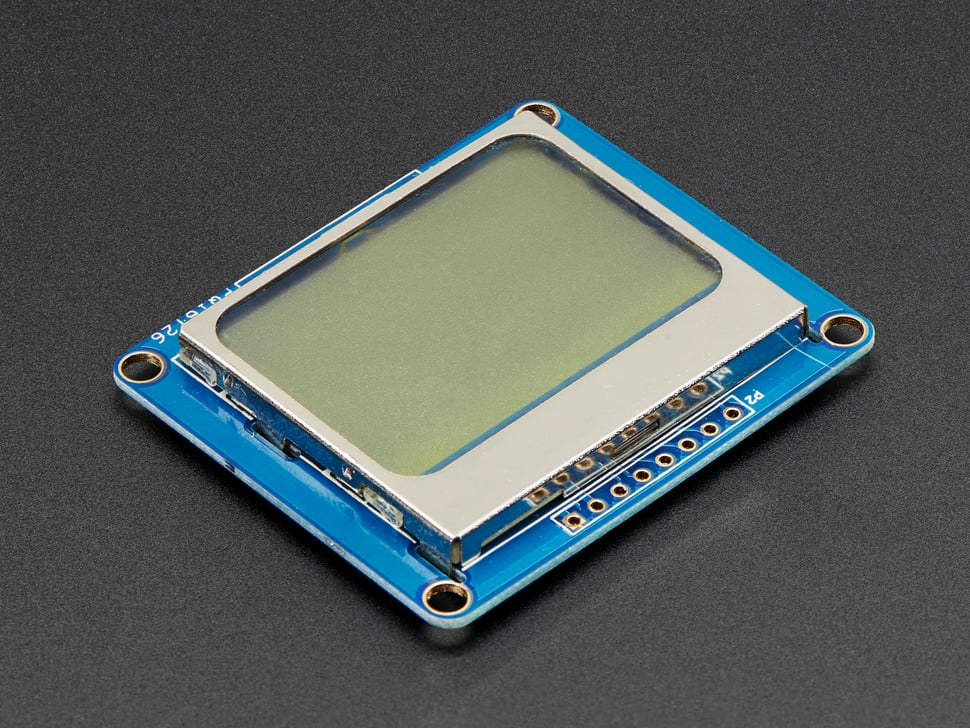
05. Nokia-style Swatch Internet Time Clock

Nokia 5110-style LCD 84 x 48 pixels @beats

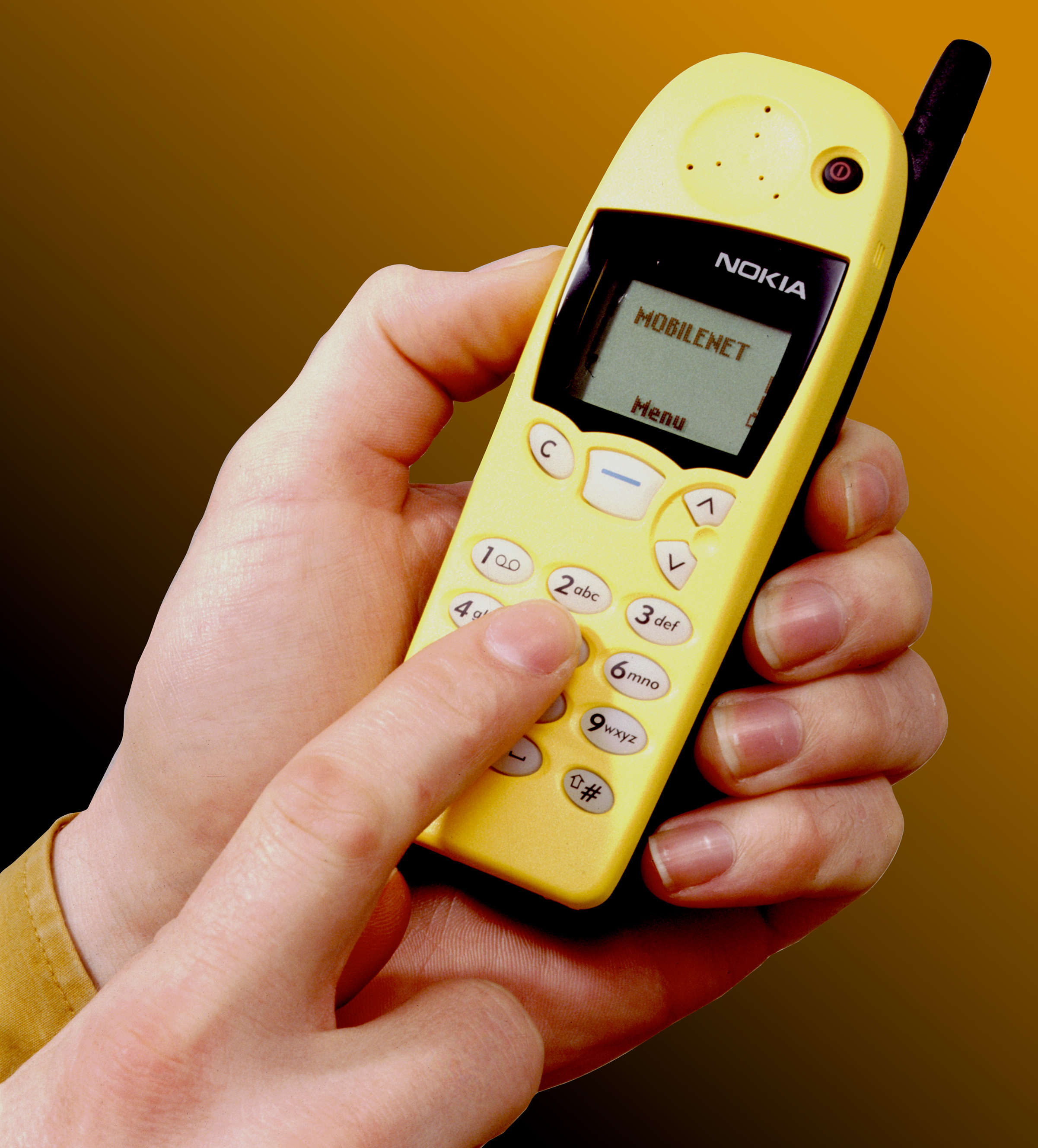
A tiny LCD, used in the legendary Nokia 5110 mobile phone, shows Swatch Internet Time as an @xxx beat value. Instead of hours, minutes, and seconds, the day is divided into 1000 equal parts, giving the clock a timekeeping dialect that feels both futuristic and strangely retro.

One Swatch .beat lasts 86.4 seconds. The system uses Biel Mean Time, based on UTC+1, and does not observe daylight saving time. Both the Swatch Internet Time and the Nokia 5110 were introduced in 1998.

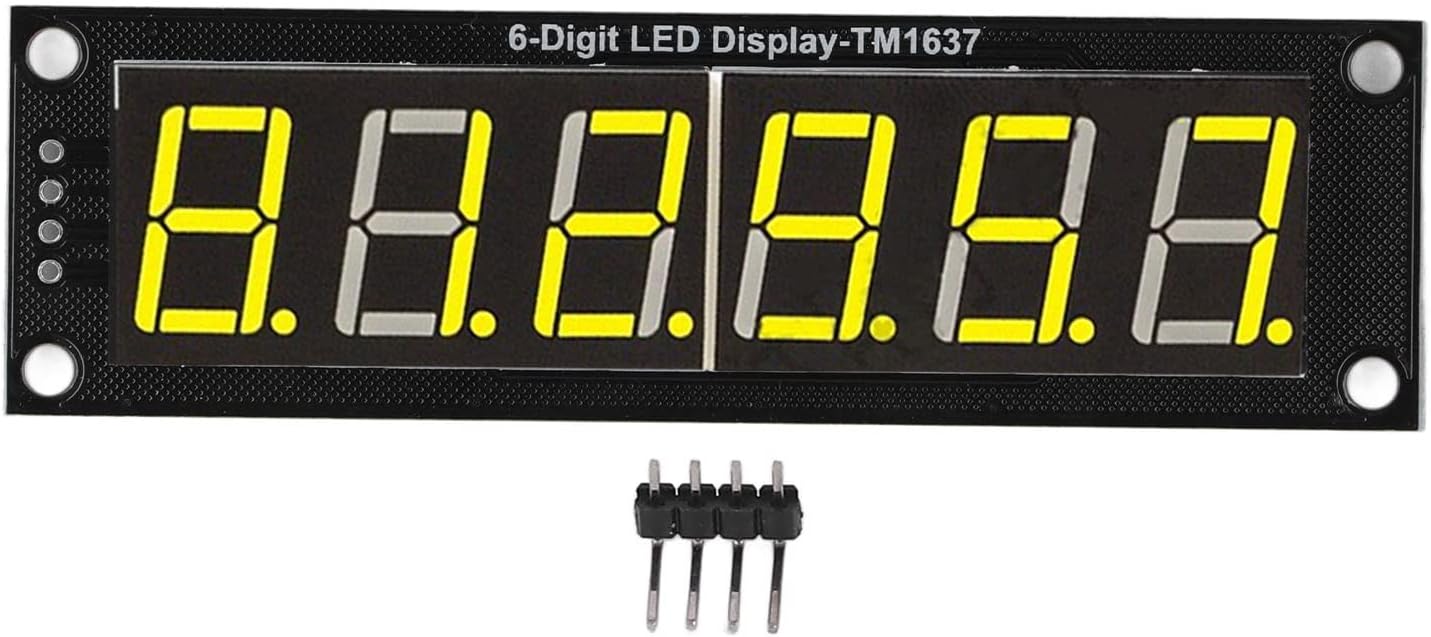
06. 7-segment LED Clock

Six LED digits Seven-segment numerals TM1637

The six-digit module shows local time as HHMMSS, with dots separating hours, minutes, and seconds. It is one of the most direct clocks in the installation: bright segmented numerals, fast updates, and almost no room for ambiguity.

Seven-segment displays are a display language of restraint. With just seven bars per digit, they can make every numeral from 0 to 9 instantly recognizable.

07. Flip Digits Clock

7-segment display Electromechanical flip segments

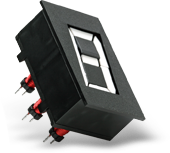
Four "Flip Digit" modules form a mechanical HHMM clock. Unlike electronic seven-segment displays, each segment is an electromagnetically controlled flip mechanism that physically rotates to show or hide its face—creating a satisfying tactile and audible transition that bridges the gap between mechanical signage and digital displays.

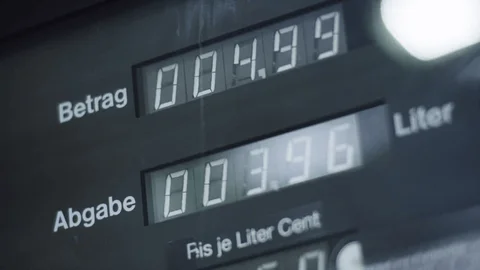
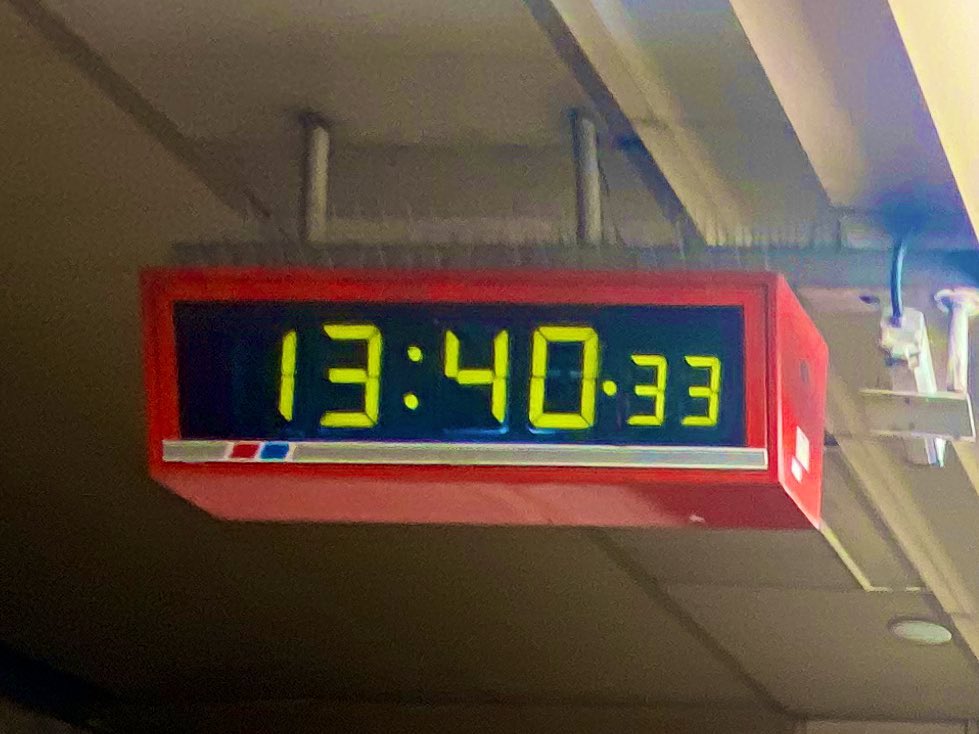
Flip Digit displays were frequently used in public transport signage (such as National Rail station clocks in the UK), sports timing displays, and as displays for petrol pumps, where their high visibility was advantageous.

08. Analog Panel Meter Clock

Two panel meters MCP4728 DAC Continuous motion

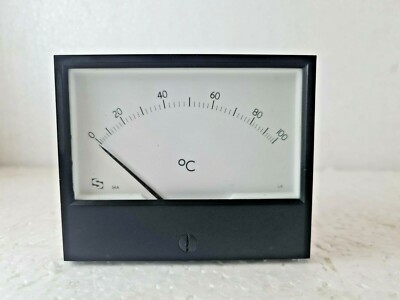
Two analog panel meters become clock hands. One meter sweeps through a 24-hour day; the other sweeps through each hour. Instead of digits, the time is a pair of voltages turned into needle positions.

Many analog meters descend from galvanometer movements, where a current through a coil creates a magnetic force that deflects a pointer.

09. VFD Clock

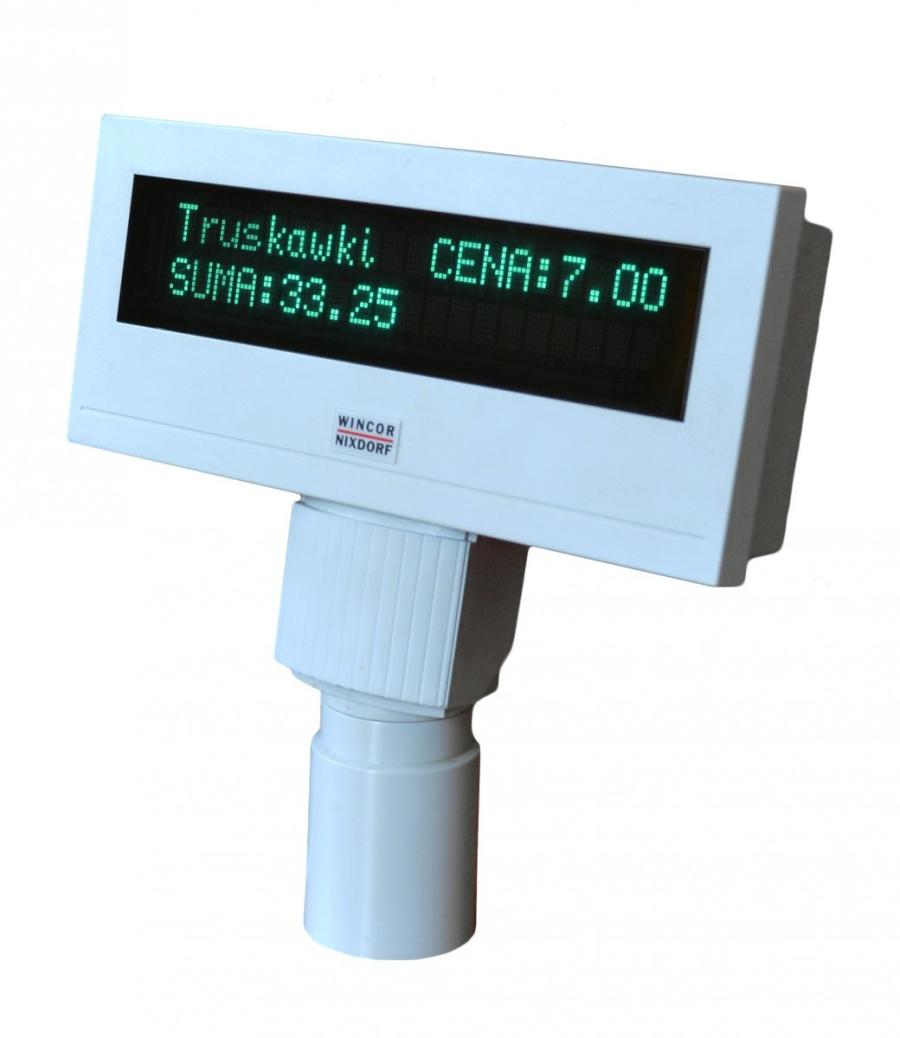
Wincor Nixdorf BA63 2 x 20 characters RS-232

A point-of-sale customer display becomes a bright blue-green clock. The first line shows HH:MM:SS, while the second line fills a 20-character progress bar across the minute.

VFDs glow because electrons strike phosphor-coated anodes inside a vacuum tube, giving them a crisp light that sits somewhere between neon, CRTs, and LEDs.

10. Dali Clock

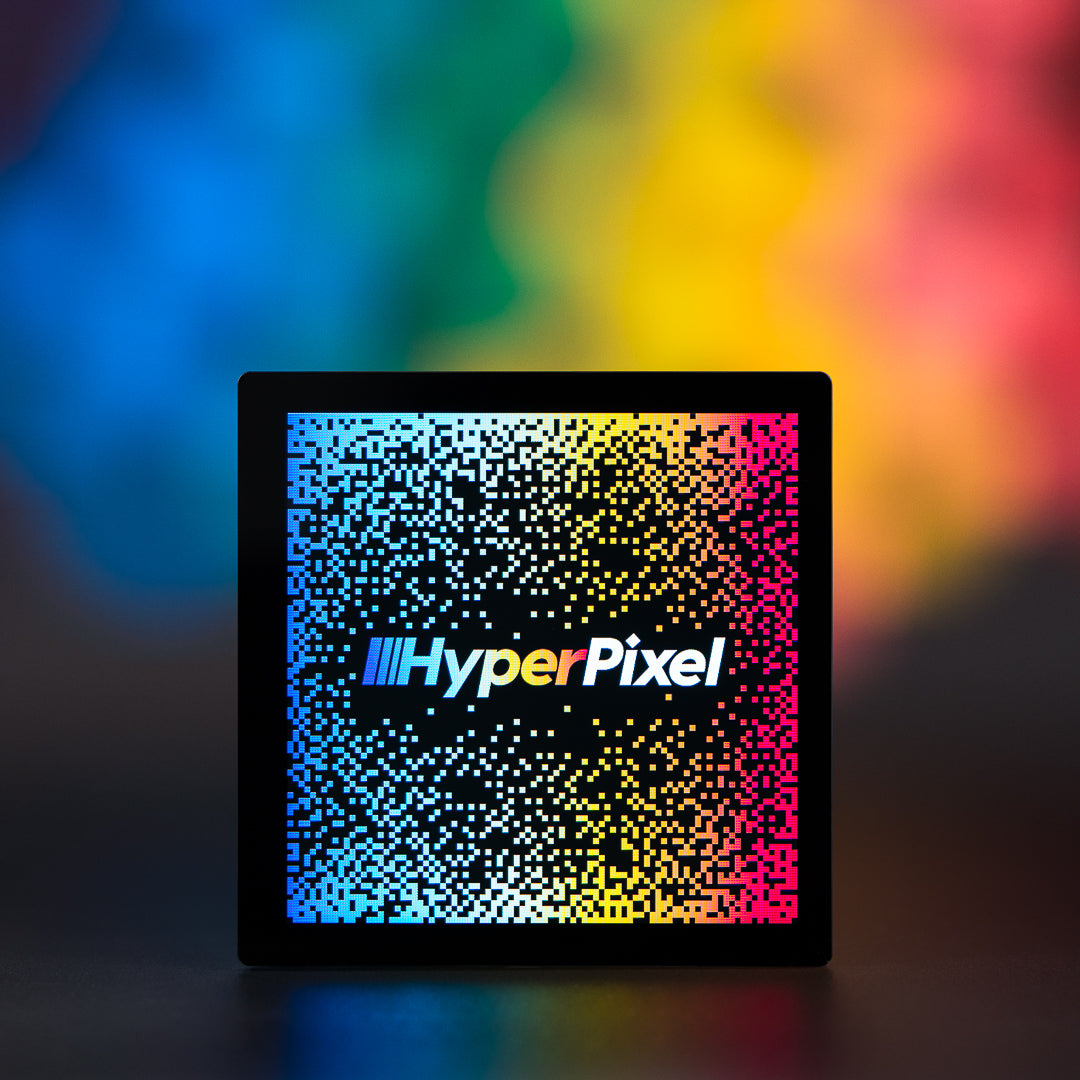
720 x 720 LCD Raspberry Pi xdaliclock

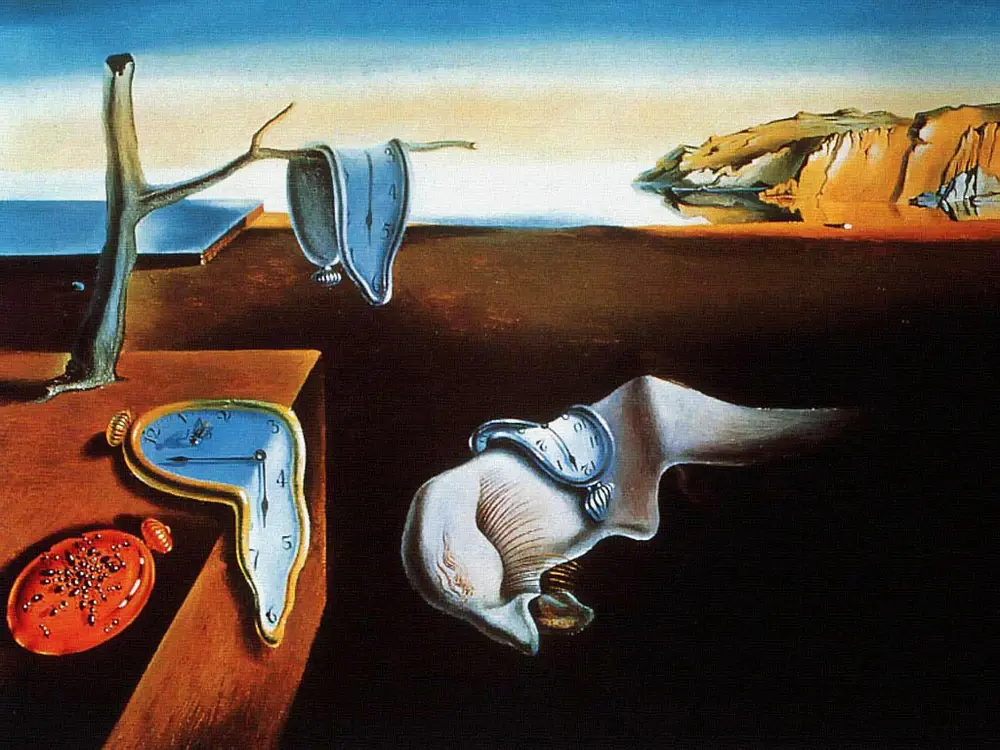
A Raspberry Pi runs Jamie Zawinski's Dali Clock full-screen on a square HyperPixel display. The digits do not simply change; they melt from one form to the next, making a modern LCD imitate a much softer kind of motion.

Trivia: the effect began as Steve Capps's Dali Clock for the Xerox Alto in 1979, then reached the Macintosh before Jamie Zawinski reimplemented it as xdaliclock for X11 in 1991. This is the highest-resolution visual clock in the current set, but it uses that density to make the numbers feel elastic rather than sharp.

11. Speaking Clock

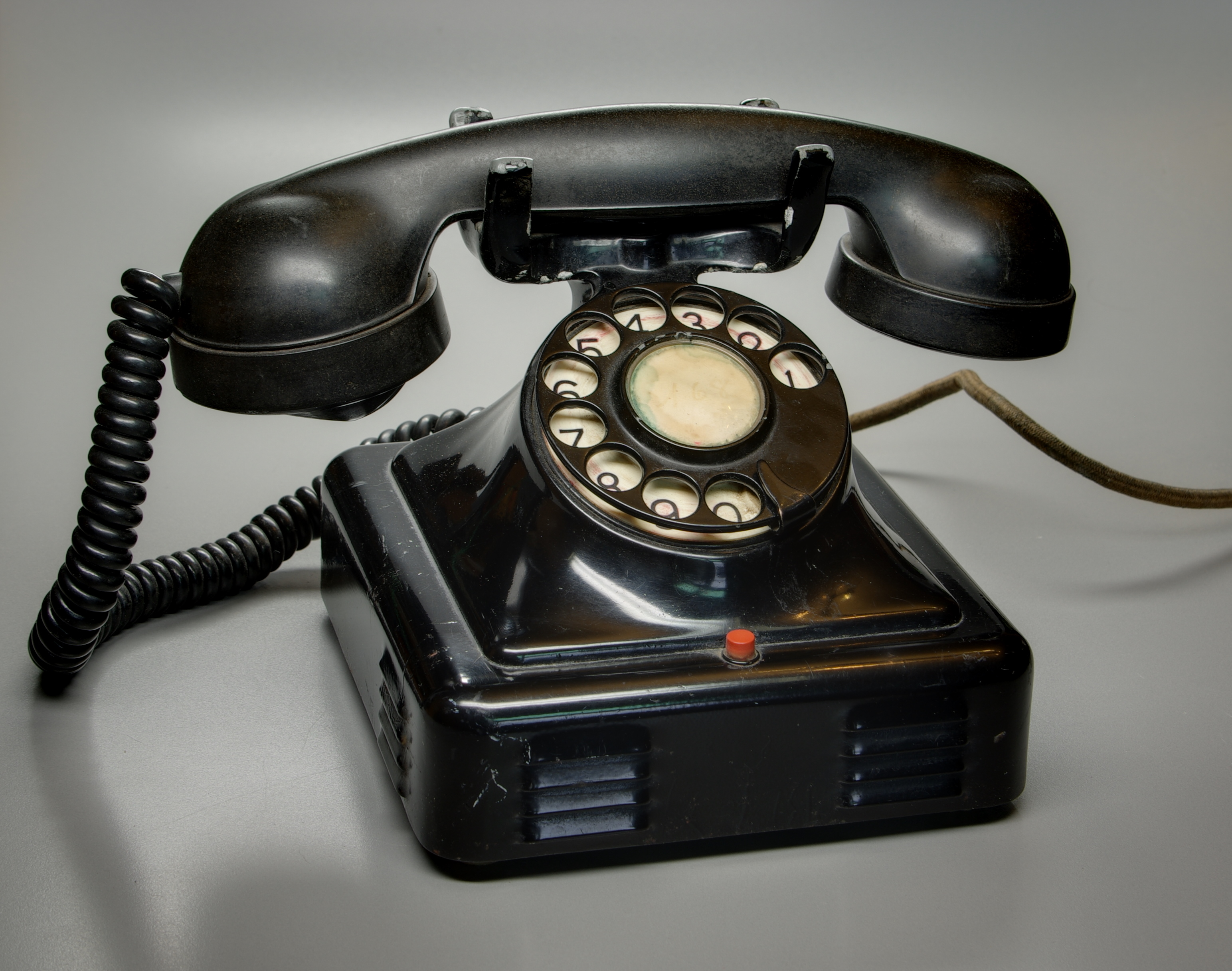
Telephone handset Text-to-speech 1 kHz strokes

The speaking clock has no visual display at all. It announces the time through a handset in the classic UK pattern: a spoken phrase followed by three strokes, with the third stroke scheduled for the announced moment.

Telephone speaking clocks date back to the 1930s. They made accurate time a public service long before every pocket carried a networked clock. You can still call the speaking clock in the UK at 123 from landlines and some mobile networks.

12. Split-Flap Clock

Bosch UDW2 Electromechanical flaps Physical motion

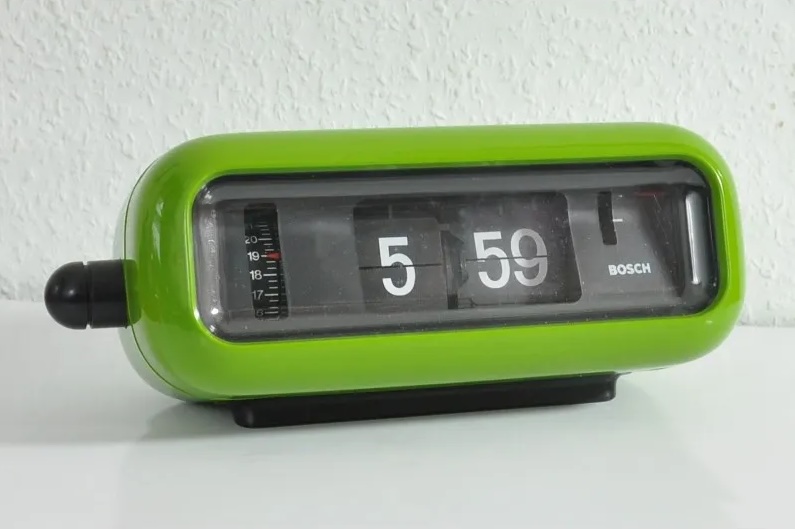
This clock uses a Bosch UDW2 split-flap display, where the time is shown by moving printed flaps rather than by lighting pixels. Each update is a small mechanical event: the display has to travel through real positions before the new time settles into view.

Split-flap displays became iconic in railway stations and airports because they are readable at a distance and make their updates audible. The sound of the refresh is part of the interface.

13. Nixie Tube Clock

Cold-cathode tubes Neon glow Physical digits

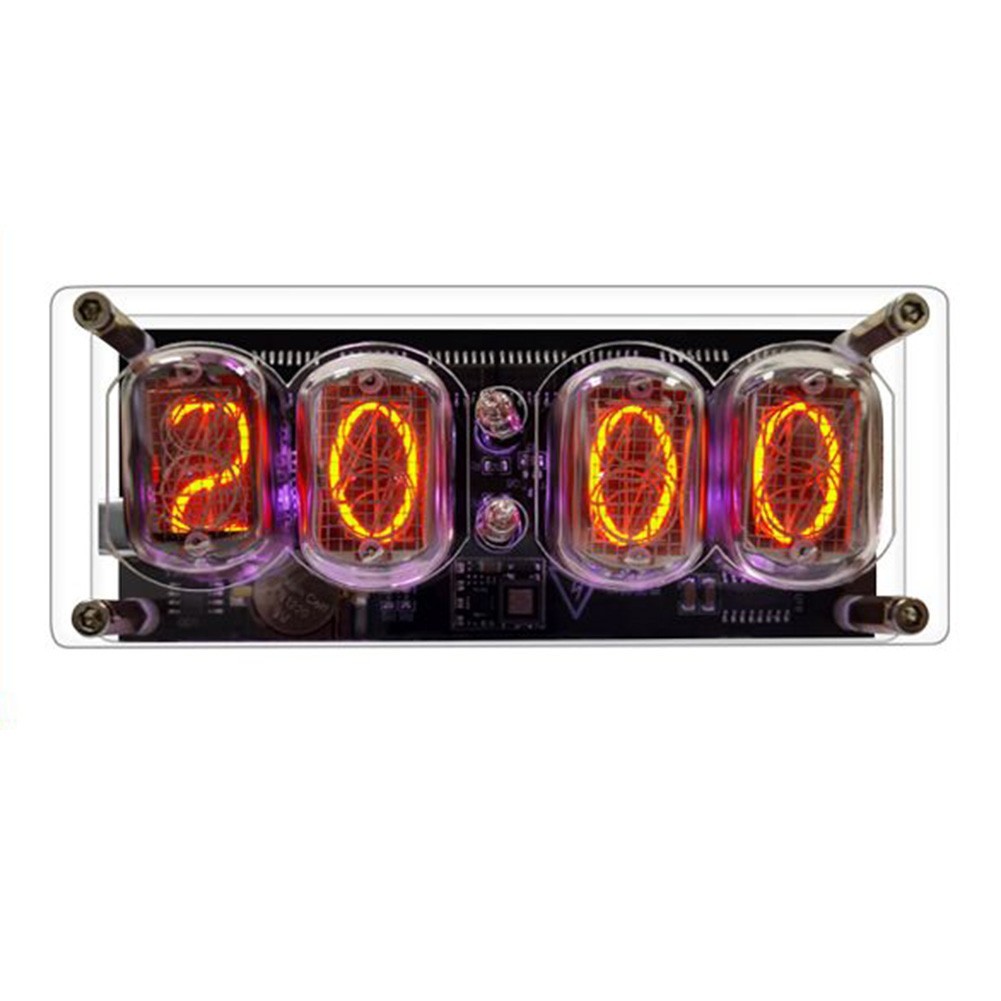
A Nixie clock displays the time with a stack of shaped metal numerals inside each glass tube. Applying a high voltage makes the selected digit glow with a warm orange neon light, so the number itself appears to be floating in the glass.

Nixie tubes predate LEDs and were widely used in laboratory instruments, calculators, and test equipment. Their name comes from the "numeric indicator eXperimental" designation used by their early manufacturer, Burroughs.

Underlying Technology

The installation is built from small, local systems rather than a central video player. That keeps the clocks independent: if one display is slow, noisy, or gloriously awkward, it gets to be slow, noisy, or gloriously awkward in its own way.

ESPHome Firmware

Most microcontroller clocks use ESPHome, which turns compact YAML configurations into firmware for boards such as ESP32 and RP2040. The devices can update over the local network and expose simple calibration controls without needing a cloud service.

ESPHome is often associated with home automation, but here it behaves more like a tiny exhibition operating system for displays.

NTP And "Now"

The clocks use network time through SNTP/NTP servers, including the NTP Pool. NTP is designed to estimate both clock offset and network delay, which is why it can be useful even when packets take slightly different routes across the internet.

NTP timestamps count from an epoch in 1900, not 1970. The modern NTPv4 specification is documented in RFC 5905.

Small Computers

The ESP32 clocks use Wi-Fi microcontrollers from Espressif. The e-paper clock uses a Raspberry Pi Pico W, and the Dali and speaking clocks use Raspberry Pi systems where Linux is useful for display or audio software.

IKEA SKÅDIS Pegboard

The clocks are mounted on a SKÅDIS pegboard from IKEA, which is a simple and inexpensive way to hold small objects. The pegboard is a grid of holes that can accept hooks, shelves, and other accessories and has a massive ecosystem of 3D-printed and laser-cut attachements.

Thanks

Versions of Now has grown through generous advice, borrowed knowledge, and patient encouragement. Particular thanks to:

  • My partner, Ania Mendrek, for tolerating the proliferation of clocks and cables in our home for a few weeks.
  • Members of Infrastructure Club for ideas and encouragement.
  • Members of South London Makerspace for help with SMD soldering and fixing my mistakes.
  • Electromagnetic Field festival, for giving this installation its first home and giving me a reason to finish it.
  • All those who maintain the open-source projects and who have documented vintage displays that make this installation possible.